If you have already invested in paint protection film (PPF), you may be wondering whether adding ceramic coating is worth it. Will it provide extra protection? Make your car easier to clean? Enhance its gloss? And could it interfere with the film’s self-healing properties?
The short answer is: yes, you can apply ceramic coating over compatible paint protection film. In fact, combining the two can be an effective way to protect your vehicle’s finish while making routine maintenance easier.
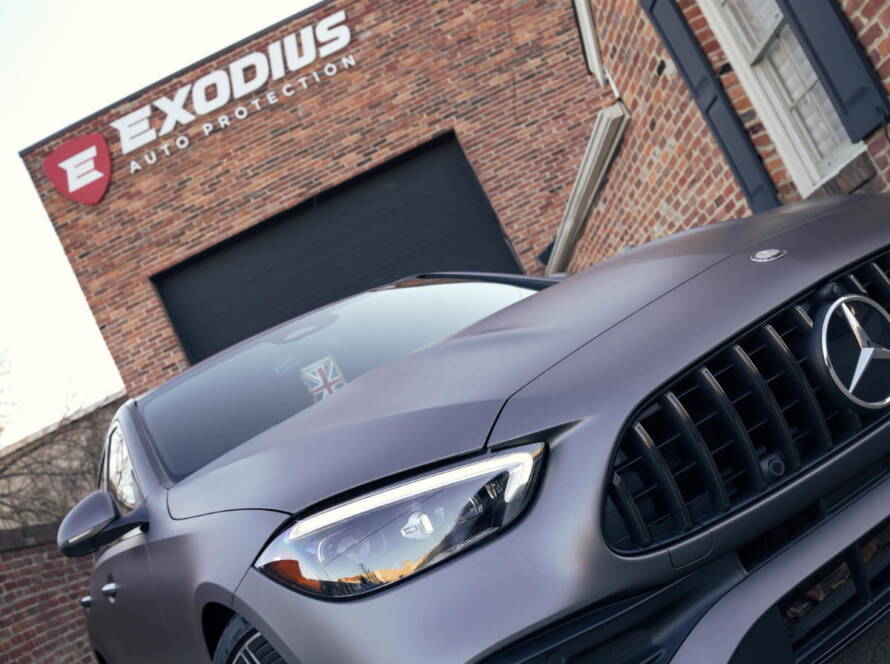
At Exodius Auto Protection in Alexandria, Virginia, we offer professional paint protection film and ceramic coating services. Here’s what you should know before deciding whether this combination is right for your vehicle.
Can You Put Ceramic Coating on PPF?
Ceramic coating can be applied over many types of paint protection film, provided the coating is compatible with the specific film and its finish.
PPF is a transparent protective film installed over a vehicle’s painted surfaces. It helps absorb the impact of everyday road debris, reduces the risk of rock chips and minor surface damage, and can feature a self-healing topcoat that helps minimize the appearance of light scratches under suitable conditions.
Ceramic coating works differently. It creates a thin protective layer that improves water repellence, enhances surface gloss, and helps dirt and contaminants release more easily during washing.
When combined, the two products serve complementary purposes: PPF provides the primary physical barrier, while ceramic coating adds surface properties that support easier cleaning and help maintain the finish.
For the best results, choose a coating specifically approved for use on your type of PPF.
What Are the Benefits of Ceramic Coating Over PPF?
1. Easier Washing and Maintenance
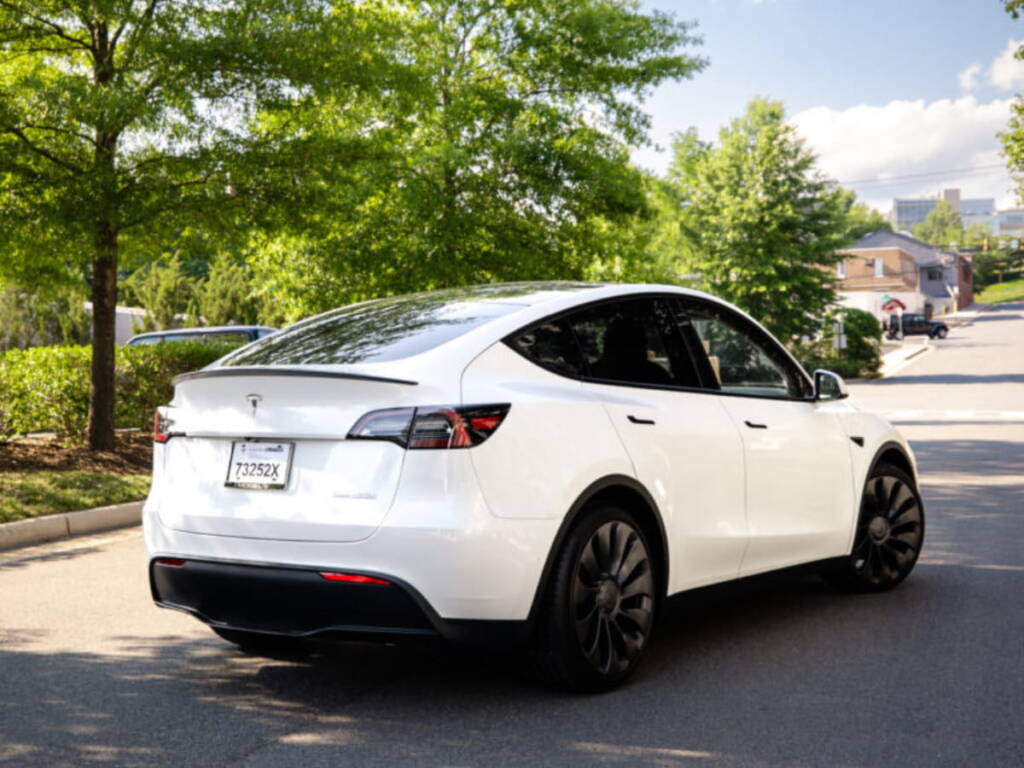
One of the most practical benefits is easier routine cleaning. Ceramic coating creates a hydrophobic surface, encouraging water to bead and roll away rather than spreading across the panel.
This can make it easier to remove everyday road grime and other contaminants. For drivers who commute regularly, take road trips, or simply want to spend less time washing their cars, this added convenience can be a significant advantage.
The coating does not eliminate the need for washing, however. Dirt, mineral deposits, and other contaminants can still accumulate on coated surfaces.
2. Enhanced Gloss and Clarity
A compatible ceramic coating can enhance the appearance of PPF by adding gloss, depth, and surface clarity.
This is particularly appealing if you want your vehicle to maintain a freshly detailed appearance. The result depends on the film’s existing finish, the coating selected, and the quality of the installation.
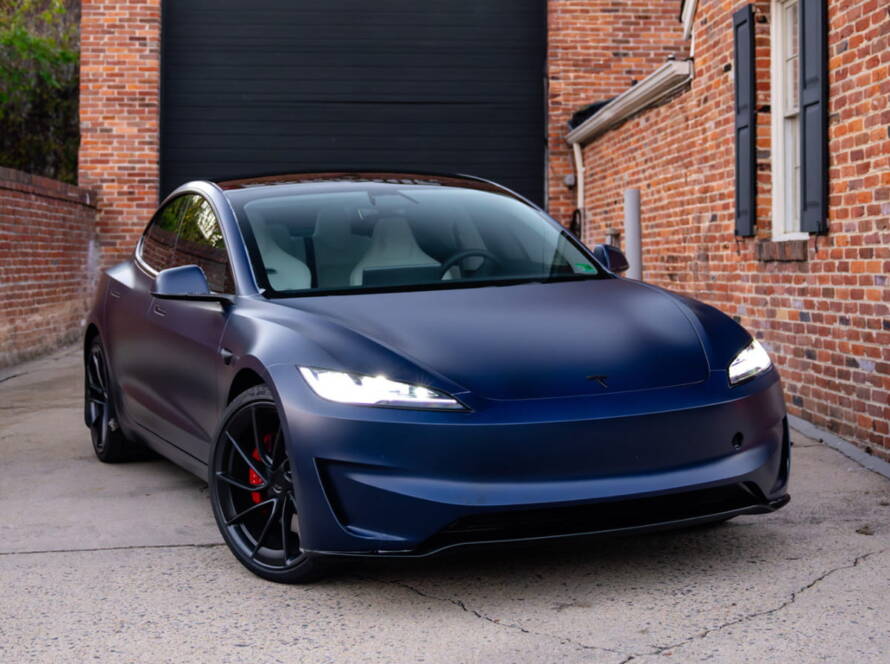
For matte or satin PPF, compatibility is especially important. A coating designed for glossy surfaces may alter the intended appearance, so choose a product specifically approved for the film’s finish.
3. Additional Resistance to Contaminants
Ceramic coatings can help reduce the adhesion of certain contaminants and improve resistance to some chemical staining and environmental exposure.
This additional layer can make maintenance more manageable, but it should not be confused with complete protection against every contaminant. Bird droppings, tree sap, mineral deposits, and other substances should still be removed promptly to reduce the risk of staining or etching.
4. Support for Your Existing PPF Investment
PPF and ceramic coating address different aspects of vehicle protection. Combining them allows you to retain the film’s physical protection while adding the maintenance and surface benefits of a compatible coating.
It is important to understand that ceramic coating does not make PPF indestructible or significantly increase its physical impact resistance by itself. The film remains responsible for absorbing the everyday impacts it was designed to handle.
Does Ceramic Coating Affect PPF’s Self-Healing Properties?
In general, applying a compatible ceramic coating does not stop a self-healing PPF from performing as designed.
Certain films use a specialized topcoat that allows minor surface marks to diminish under appropriate conditions, such as exposure to heat. A ceramic coating applied over a compatible film adds its own surface characteristics, but it is not necessarily self-healing itself.
This distinction matters: the coating’s behavior and the film’s self-healing behavior are not the same thing.
Always confirm compatibility with your installer, particularly if you have a matte film, colored PPF, or a specialized finish. Follow the film manufacturer’s care recommendations to preserve its appearance and performance.
Should You Apply Ceramic Coating Before or After PPF?
If you plan to install both products, the usual recommended sequence is:
- Prepare the vehicle’s paint: Inspect the finish and determine whether cleaning, decontamination, or paint correction is needed.
- Install the PPF: Apply the film to the selected panels and allow it to settle according to the manufacturer’s instructions.
- Inspect the installation: Check the film, edges, and surface condition before proceeding.
- Apply a compatible ceramic coating: Once the film is ready, apply the coating according to the product’s requirements.
- Allow the coating to cure: Follow the specified curing time and aftercare instructions before exposing the vehicle to water or other conditions that could interfere with curing.
Applying ceramic coating to paint before installing PPF is generally not recommended because the coating can interfere with film adhesion. If your vehicle already has a ceramic coating, and you are considering PPF, ask a professional installer how the surface should be prepared.
The exact process and timing depend on the film, coating, installation conditions, and manufacturer’s instructions.
Can You Apply Ceramic Coating to Only Part of the PPF?
Ceramic coating can be applied to selected PDF-covered panels rather than the entire vehicle, provided the product is suitable for those surfaces.
For example, if your vehicle has PPF on the front bumper, hood, fenders, and mirrors, you can discuss coating those protected areas as part of a tailored protection plan.
Exodius offers several PPF coverage options, including partial front, full front, full front plus, and full-vehicle protection. The right combination depends on which areas you want to protect and how you use your vehicle.
Keep in mind that coated and uncoated surfaces may behave differently during washing. Discuss the coverage plan with your installer so you understand what will be protected and how to maintain each area.
How Do You Maintain Ceramic-Coated PPF?
Proper maintenance helps preserve the performance and appearance of both products.
- Wash the vehicle regularly using a suitable automotive shampoo and gentle washing tools.
- Remove bird droppings, bugs, tree sap, and other contaminants promptly.
- Avoid abrasive brushes and aggressive cleaning methods that can damage the film or coating.
- Follow the PPF and ceramic coating manufacturers’ recommendations for compatible cleaning products.
- Inspect the film periodically for lifting edges, damage, or other changes that may need professional attention.
- Follow the installer’s guidance on when to wash the vehicle after application and whether any maintenance products are recommended.
Ceramic coating is designed to make care easier, not maintenance-free. Regular cleaning and appropriate aftercare remain essential.
Is Ceramic Coating Over PPF Worth It?
For many vehicle owners, yes. If you want the physical protection of PPF along with enhanced water repellency, easier cleaning, and additional gloss, combining the two can be a practical choice.
However, the best solution depends on your priorities. If rock-chip protection is your main concern, PPF should be the starting point. If you already have PPF and want to improve maintenance and surface appearance, a compatible ceramic coating may be a worthwhile addition.
At Exodius Auto Protection, our team helps drivers in Alexandria, VA, choose protection options based on their vehicle, finish, driving habits, and goals.
Explore our PPF services and ceramic coating options, or contact Exodius to discuss the right combination for your vehicle.
Frequently Asked Questions
- Can you apply ceramic coating over paint protection film? Yes. Ceramic coating can be applied over compatible PPF to improve water repellency, enhance gloss, and make routine cleaning easier. Confirm that the coating is suitable for your specific film and finish.
- Does ceramic coating over PPF provide extra protection? It adds surface-level benefits, including hydrophobic properties and resistance to certain contaminants. PPF remains the primary barrier against rock chips and minor physical impacts. Ceramic coating does not make the film damage-proof.
- Does ceramic coating stop PPF from self-healing? A compatible ceramic coating generally does not prevent a self-healing PPF from functioning as designed. However, the coating itself may not have self-healing properties. Always check the manufacturer’s guidance for the specific products being used.
- Should ceramic coating be applied before or after PPF? When both are planned, PPF is generally installed first, followed by ceramic coating once the film is ready. Applying ceramic coating beforehand can interfere with PPF adhesion. If the vehicle is already coated, consult a professional about the appropriate preparation.
- Can you ceramic coat matte PPF? Some ceramic coatings are designed for matte or satin films, but not every product is suitable. Using an incompatible coating may change the intended appearance, so confirm compatibility before application.
- How long does ceramic coating last on PPF? Longevity depends on the specific coating, application, environmental exposure, and maintenance. Follow the product’s stated durability and warranty terms rather than assuming every coating has the same lifespan.
- Does ceramic coating make PPF easier to clean? The hydrophobic properties of a compatible coating can help water and some contaminants release more easily during washing. Regular cleaning is still necessary to prevent buildup and staining.
- Can you apply ceramic coating to PPF and the rest of the vehicle’s paint? Yes, provided the coating is compatible with both surfaces. Some products are formulated for use on painted panels and PPF. Ask your installer to confirm the product’s suitability for all intended surfaces.
- Where can I get ceramic coating over PPF in Alexandria, VA? Exodius Auto Protection offers paint protection film and ceramic coating services at 3248 Colvin Street, Alexandria, VA 22314. Contact the team to discuss your current film, coating options, and the best approach for your vehicle.