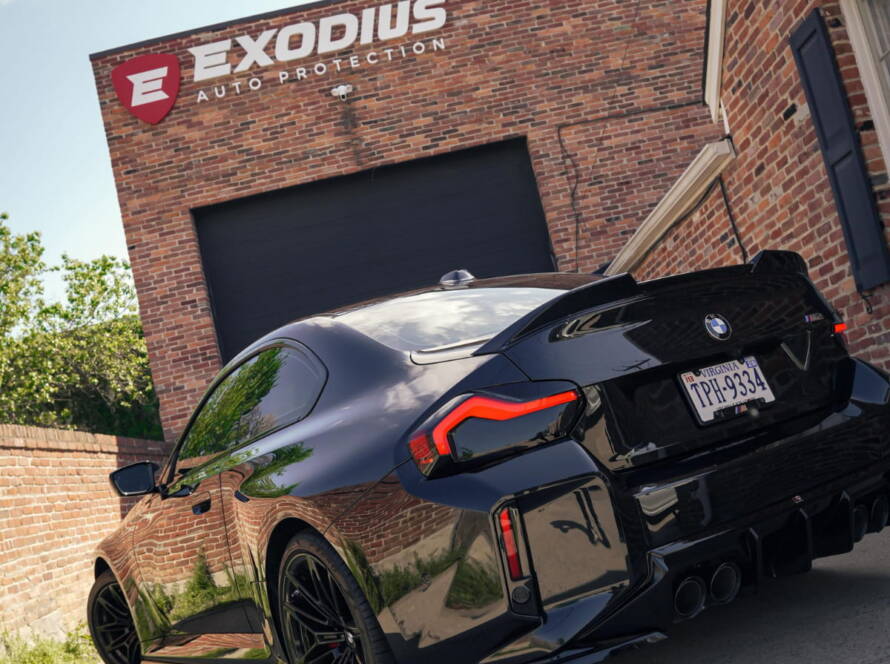
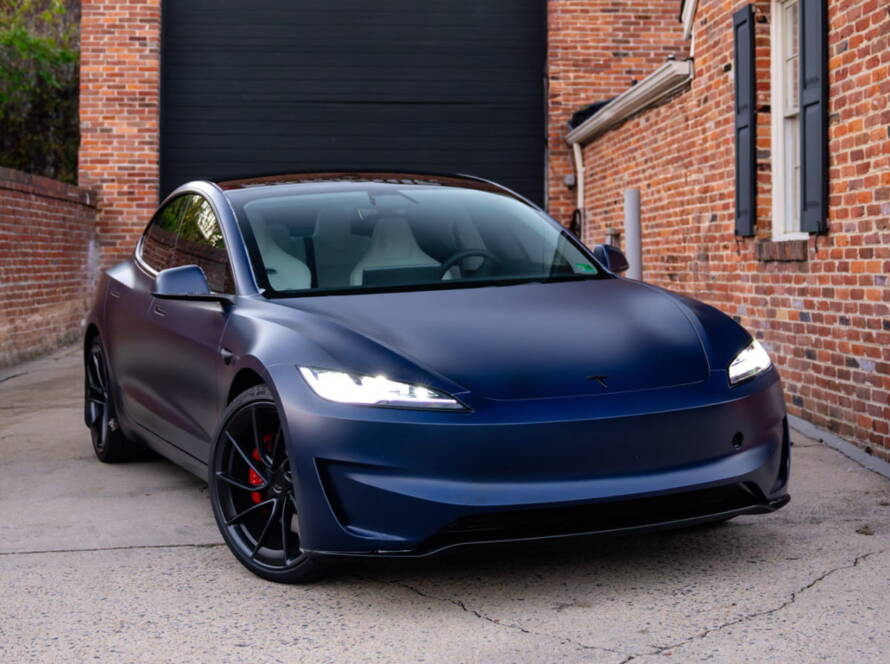
For a car enthusiast, buying the vehicle is only the beginning.
The real goal is usually to keep it looking the way it did when it was new, or, in some cases, make it look even better. That changes the way many owners think about vehicle protection.
Instead of waiting for rock chips, scratches, fading, or road wear to appear, more enthusiasts are protecting their vehicles while the paint is still in excellent condition.
In Alexandria, VA, that approach makes particular sense for owners who want to preserve a new vehicle, maintain a carefully finished enthusiast car, or simply avoid watching the exterior accumulate years of preventable wear.
At Exodius Auto Protection, we help Alexandria-area drivers protect and personalize their vehicles with XPEL Paint Protection Film (PPF), ceramic coatings, vinyl wraps, and window tinting.
But why are enthusiasts choosing to protect their vehicles earlier?
New Paint Is Easier to Preserve Than Restore
One of the biggest misconceptions about vehicle protection is that it is something you do after the paint becomes damaged.
In reality, the easiest paint to protect is paint that is already in good condition.
Once a vehicle has accumulated rock chips, deep scratches, heavy oxidation, or other defects, protection products don’t simply erase those problems.
For example, PPF is designed to protect the surface underneath it. It is not a replacement for repairing significant damage that already exists.
That is why applying protection earlier can be strategically valuable.
If the paint is clean, properly corrected, and free from significant damage, a protective film or coating can help maintain that condition rather than attempting to recover it later.
For enthusiasts who are particular about their vehicle’s finish, that distinction matters.
Alexandria Driving Still Puts Paint Through Its Paces
You don’t need to drive a supercar at a racetrack to expose its paint to hazards.
Everyday driving creates opportunities for damage.
Highway driving can expose the front of a vehicle to road debris. Construction areas can introduce loose material and dust. Bugs can impact the front bumper and mirrors. Parking lots create opportunities for incidental scratches and abrasions.
The damage may be minor individually, but it accumulates.
A few rock chips don’t seem significant when a vehicle is new.
A few years later, dozens of chips across the hood, bumper, and mirrors can entirely change how the car looks.
This is particularly frustrating for enthusiasts because the damage is often concentrated in the exact areas they care about most.
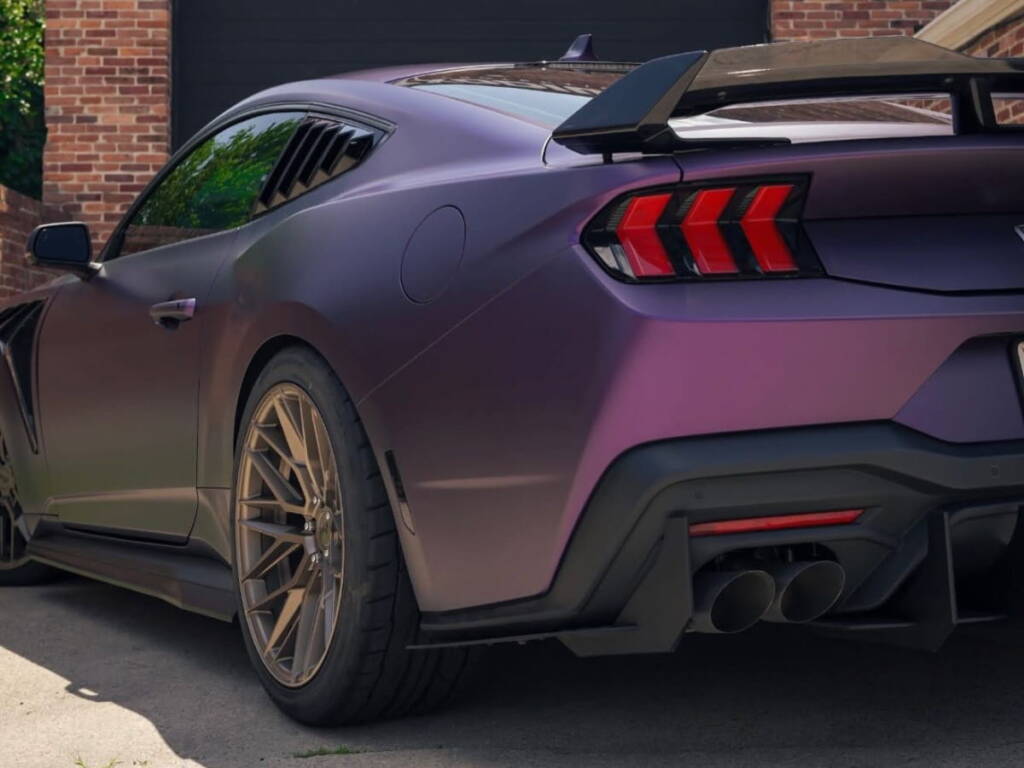
Why PPF Is So Popular With Enthusiasts
Paint Protection Film provides something a ceramic coating cannot: a physical sacrificial layer between the road and the vehicle’s paint.
XPEL describes its ULTIMATE PLUS PPF as an 8-mil polyurethane film designed to protect automotive paint from stone chips, abrasion, scratches, and environmental contaminants.
That makes PPF particularly useful on high-impact areas such as:
- Front bumpers,
- Hoods,
- Front fenders,
- Side mirrors,
- Rocker panels,
- Door edges,
- Other high-wear areas
The film takes the abuse that would otherwise reach the paint.
And because modern PPF can be optically clear, the goal isn’t to change the appearance of the vehicle. It’s to preserve it.
Self-Healing Is More Than a Marketing Term
Modern PPF has also changed considerably compared with earlier generations of protective film.
XPEL ULTIMATE PLUS uses a self-healing topcoat designed to repair minor surface scratches and swirl marks. XPEL states that light scratches can self-heal at room temperature, while warmth can accelerate the process.
That doesn’t mean the film is indestructible.
Deep cuts, punctures, and damage that penetrates the film can still require repair or replacement.
But for enthusiasts who obsess over maintaining a clean finish, self-healing technology can help keep everyday surface marring from becoming a permanent visual problem.
It’s one more reason modern PPF is fundamentally different from simply putting a clear plastic layer over a vehicle.
Ceramic Coating Plays a Different Role
PPF isn’t the only way to protect a vehicle, and it isn’t automatically the right answer for every owner.
Ceramic coating and PPF serve different purposes.
PPF is primarily physical protection.
It is designed to absorb the impact and abrasion associated with road debris and everyday wear.
Ceramic coating is primarily surface protection and easier maintenance.
A coating creates a durable protective layer that can improve water behavior, gloss, chemical resistance, and resistance to contamination.
For enthusiasts, combining the two can make sense.
PPF can be installed on the areas most likely to experience impact, while ceramic coating can be used on the remaining painted surfaces, or over compatible protective film, to make the entire vehicle easier to maintain.
The right combination depends on the vehicle and how it is driven.
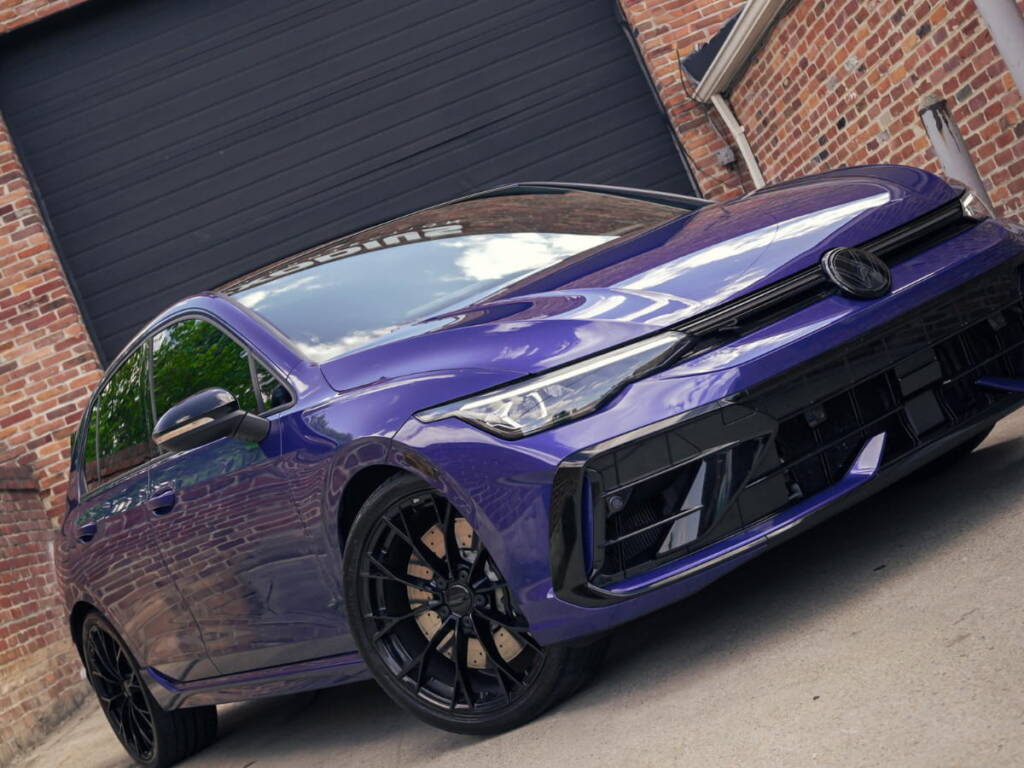
Protecting a New Car Before the First Chip
There is also a psychological reason enthusiasts are moving toward earlier protection.
Think about what happens when you buy a new performance car, sports car, luxury SUV, or limited-production vehicle.
For the first few weeks, every detail matters.
You notice the paint under different lighting. You are careful about where you park.
Furthermore, you wash it differently. You pay attention to every little mark.
Then the first rock chip appears.
It’s small.
You might not even notice it unless you’re looking closely.
But once you see it, you can’t unsee it.
Over time, another appears. Then another.
Eventually, the vehicle’s front end tells the story of thousands of miles on the road.
Early protection changes that equation.
Instead of accepting the damage and trying to restore the appearance later, owners can take steps to preserve the finish from the beginning.
Protection Makes More Sense for Long-Term Owners
The longer you plan to keep a vehicle, the more useful preventive protection can become.
A vehicle driven for several months may not accumulate much noticeable wear.
A vehicle driven for five, eight, or ten years is a different story.
Mileage adds up.
So do road debris, washing, weather exposure, contamination, and everyday contact.
For enthusiasts who intend to keep their vehicles long term, protecting the paint early can be part of a broader maintenance strategy.
The objective isn’t to make the vehicle completely immune to damage.
No product can do that.
The objective is to reduce the amount of damage the actual painted surface has to endure.
It Can Also Make Maintenance Easier
Protection isn’t only about what happens during a drive.
It’s also about what happens when you wash the vehicle.
XPEL’s care guidance notes that maintenance requirements depend on factors including mileage, driving style, climate, storage conditions, and road conditions. It also recommends regular inspection and prompt removal of contaminants.
That last point is important.
Protection doesn’t eliminate the need for proper washing.
Instead, a well-maintained protective system can make ongoing care more manageable.
For enthusiasts who want their vehicle looking sharp without constantly fighting contamination and surface defects, that can be a major benefit.
The Earlier You Protect, the Less You Have to Correct
This is perhaps the simplest way to think about preventive vehicle protection.
Correction fixes what has already happened.
Protection helps preserve what you already have.
At Exodius Auto Protection, preparation is therefore a major part of the process.
Before installing PPF, the vehicle needs to be properly cleaned, decontaminated, inspected, and prepared, so the film can adhere correctly and achieve the finish the owner expects.
That preparation becomes even more important when working with enthusiast vehicles where paint condition, gloss, and installation quality are closely scrutinized.
Not Every Vehicle Needs Full PPF
Protecting your vehicle earlier doesn’t necessarily mean covering every painted surface.
A good protection plan should reflect how the vehicle is actually used.
For some owners, protecting the full front end may provide the best balance.
For others, targeted protection of the bumper, hood, fenders, and mirrors may be enough.
A daily highway commuter may have different needs from a weekend sports car.
A collector who rarely drives the vehicle may prioritize preserving flawless appearance over maximum road exposure protection.
That’s why a consultation matters.
The right question isn’t simply: “Should I get PPF?”
It’s: “Which areas of my vehicle are most exposed to the type of driving I actually do?”
Why Installation Quality Matters
Even the best protection film depends on proper installation.
XPEL recommends professional installation and provides specific care requirements for its PPF products, including avoiding high-pressure water directly around film edges and scheduling periodic inspection with an authorized dealer.
At Exodius, our process begins with meticulous preparation before the film is installed.
We then use precision cutting and installation techniques designed to create a clean, custom fit.
Finally, every vehicle receives a detailed inspection before delivery.
That process matters because PPF should look like part of the vehicle.
Protection Is Also About Preserving Your Investment
Car enthusiasts don’t necessarily buy vehicles because they’re practical.
They buy them because they care about design, performance, craftsmanship, or the experience of owning something special.
That makes maintaining the vehicle’s condition part of the ownership experience.
Professional protection doesn’t guarantee a vehicle will never need paintwork or repairs.
It does, however, provide another layer of defense against many of the everyday hazards that can gradually degrade its appearance.
And if the vehicle is eventually sold, a well-maintained exterior can also help preserve the overall presentation and condition that buyers notice.
Why Alexandria Enthusiasts Are Starting Earlier
The most significant change isn’t necessarily that enthusiasts suddenly care more about protection.
It’s that today’s protection technology gives them more effective ways to preserve a vehicle from the start.
Modern PPF can combine physical protection, optical clarity, and self-healing technology.
Ceramic coatings can complement that protection by making surfaces easier to maintain and helping preserve gloss.
XPEL’s current PPF lineup, for example, includes ULTIMATE PLUS and ULTIMATE FUSION, with ULTIMATE FUSION adding a hydrophobic topcoat to the physical protection and self-healing characteristics of ULTIMATE PLUS.
For an enthusiast, that means protection doesn’t have to come at the expense of appearance.
It can actually become part of maintaining the appearance they bought the vehicle for in the first place.
The Bottom Line
You don’t have to wait until your vehicle has a collection of rock chips and scratches before thinking about protection.
In fact, for many enthusiasts, waiting is undoubtedly what they are trying to avoid.
Protecting a vehicle while the paint is still in excellent condition can help preserve its appearance, reduce exposure to everyday road hazards, and make long-term ownership easier.
The best protection package will depend on your vehicle, mileage, driving environment, storage, and priorities.
At Exodius Auto Protection, we help Alexandria-area vehicle owners determine whether XPEL Paint Protection Film, ceramic coating, window tinting, vinyl wrap, or a combination of services makes the most sense for their vehicle.
Your car doesn’t have to show damage before it deserves protection.
If you’re in Alexandria or the surrounding Northern Virginia area, contact Exodius Auto Protection to discuss your vehicle and build a protection plan around the way you actually drive.