Tesla ownership comes with a different kind of attention to detail. Whether you drive a Model 3, Model Y, Model S, Model X, or another Tesla, keeping the exterior looking new is part of preserving the vehicle’s appearance, and, potentially, its long-term value.
For Tesla owners in Northern Virginia, that can be challenging.
Daily driving means exposure to road debris, gravel, construction zones, salt and winter road treatments, tree sap, insects, bird droppings, UV exposure and the general contamination that accumulates on a frequently driven vehicle. Tesla itself recommends removing substances such as road salt, tar, tree resin, dead insects and industrial fallout promptly because they can damage the vehicle’s paint.
That is one reason paint protection film (PPF) has become a popular option among Tesla owners who want to preserve their factory paint rather than continually correct damage after it occurs.
But what exactly makes PPF useful for a Tesla in Northern Virginia?
Northern Virginia Roads Can Be Hard on Tesla Paint
A vehicle’s paint is exposed to more than weather.
Everyday driving creates opportunities for small particles and debris to strike the front of the vehicle. Gravel, road debris and other particles can cause chips and scratches, particularly on high-impact areas such as the front bumper, hood, front fenders and side mirrors.
Northern Virginia drivers also deal with seasonal road maintenance. The Virginia Department of Transportation uses salt and other materials for snow and ice control, meaning vehicles can encounter road salt during winter conditions.
Tesla’s own maintenance guidance specifically recommends thoroughly rinsing road salt from areas such as the underside, wheel wells and brakes when salt has been used on highways.
PPF does not eliminate the need for proper washing or maintenance. Instead, it adds a physical protective layer over selected painted surfaces, helping reduce the likelihood that everyday road exposure will directly affect the original paint.
What Is Paint Protection Film?
Paint protection film is a transparent polyurethane film installed over painted vehicle surfaces.
Unlike a ceramic coating, which creates a very thin protective surface layer, PPF is a physical film. Its primary purpose is to help protect paint from common forms of surface damage such as rock chips, light scratches and road debris.
Modern premium films can also include self-healing topcoat technology. XPEL PPF, used by Exodius, provides protection against scratches and chips, with a topcoat designed to self-heal light scratches and swirl marks under appropriate conditions.
That distinction matters.
Ceramic coating is primarily a surface-protection and hydrophobicity solution. PPF is primarily an impact-protection solution.
The two can also be used together.
Why Tesla Owners Are Particularly Interested in PPF
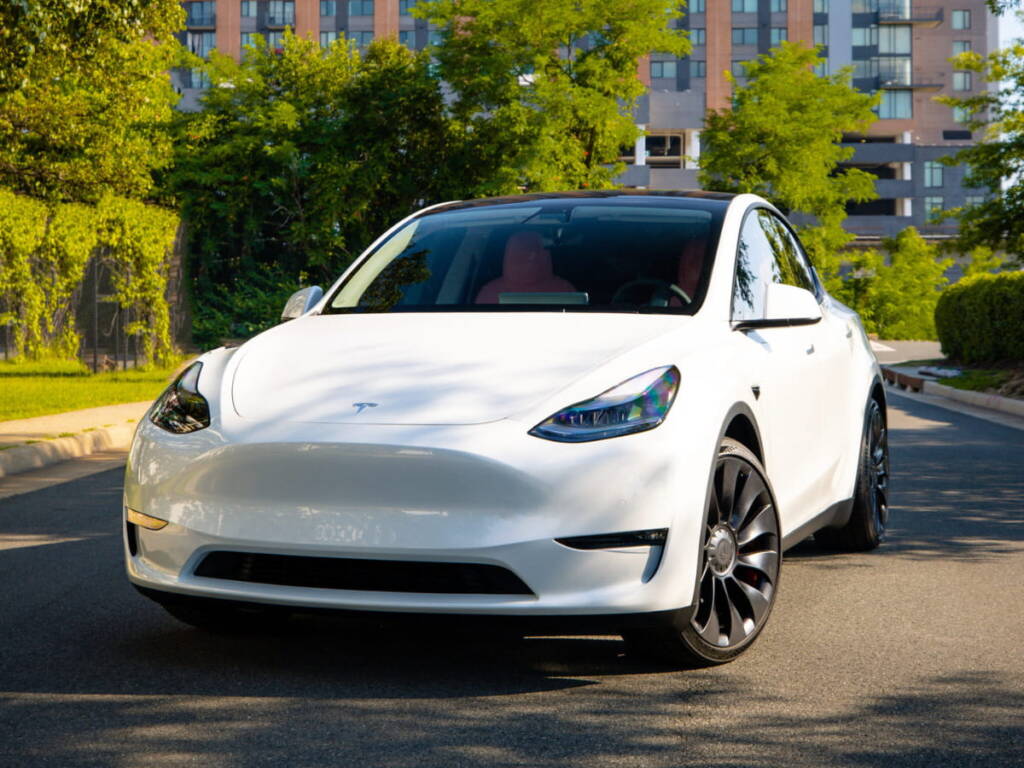
Tesla vehicles have large, visually prominent painted surfaces, and maintaining the factory finish can make a noticeable difference in how the vehicle looks over time.
A new Tesla may leave the showroom with a clean, uniform finish. After thousands of miles, however, the front end can accumulate small chips and other signs of road exposure.
Tesla recommends regularly inspecting the exterior paint for damage and addressing rock chips, fractures and scratches when they occur.
For an owner who wants to minimize that type of damage in the first place, PPF offers a proactive approach.
Instead of waiting until the hood or bumper has accumulated dozens of chips and then asking what can be corrected, the owner can protect vulnerable areas before the damage happens.
Which Parts of a Tesla Should Have PPF?
The right coverage depends on how much you drive, where you drive, how long you plan to keep the vehicle and how important preserving the original paint is to you.
- Partial Front PPF
A partial-front package is designed to protect the areas most exposed to road debris.
Exodius’ partial-front coverage includes:
- Front bumper,
- Front portion of the hood,
- Front portion of the fenders,
- Mirror caps.
This can be a practical choice for owners who want targeted protection without covering the entire vehicle.
- Full Front PPF
For more comprehensive front-end protection, full-front coverage can include the entire hood, full front fenders, front bumper and mirror caps, with headlights included in Exodius’ listed package.
Covering complete panels can also reduce the visual transition that may occur when a film stops partway across a panel.
- Full Front+ or Expanded Coverage
Tesla owners who spend significant time on highways or want protection beyond the basic front end can consider expanded coverage.
Exodius offers a Full Front+ package that adds areas such as rocker panels to the front-end protection package.
These lower and side areas can also be exposed to road debris, making them worth considering depending on driving habits.
Full Vehicle PPF
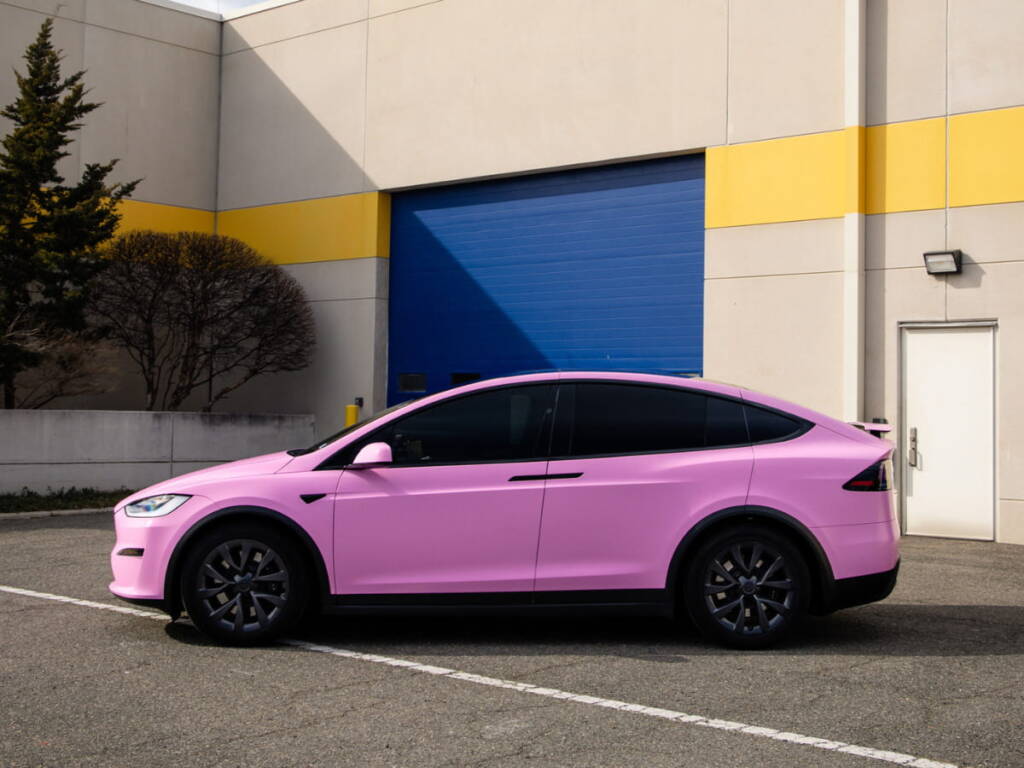
For owners who want maximum paint coverage, full-vehicle PPF covers the vehicle’s painted exterior surfaces.
This approach is particularly attractive for luxury vehicles, performance vehicles, new vehicles and owners who intend to keep the factory finish in excellent condition for as long as possible.
Exodius offers full-vehicle PPF in both gloss and satin finishes.
Does PPF Make Sense on a New Tesla?
Often, yes, especially if preserving factory paint is a priority.
The key advantage of installing PPF on a new vehicle is simple: the film can protect the paint before significant damage occurs.
Once rock chips penetrate the paint, PPF cannot simply make them disappear. Existing chips, deep scratches and other defects may need to be addressed before film installation.
That is why professional PPF installation starts with careful vehicle preparation and surface inspection.
Exodius’ installation process includes cleaning and preparing the paint, preparing the film for the vehicle’s specific panels, precise application and a final inspection of the finished installation.
For a new Tesla, this approach can help preserve the original finish rather than attempting to restore it later.
What About a Tesla That Already Has Rock Chips?
PPF can still be an option, but existing damage should be evaluated first.
Paint protection film is designed to protect the surface beneath it; it is not a replacement for paint repair.
Tesla recommends repairing rock chips, fractures and scratches rather than simply leaving them untreated.
Depending on the condition of the paint, the appropriate preparation may include cleaning, decontamination, polishing or other correction before PPF is installed.
The goal is to create a clean, thoroughly prepared surface, so the film can achieve the best possible appearance and adhesion.
Why Installation Quality Matters as Much as the Film
Premium PPF cannot compensate for poor installation.
The film needs to follow the contours of the vehicle accurately, with clean edges, proper alignment and minimal visible seams.
PPF is only as good as the installer applying it and uses computer-cut patterns where possible to reduce the need for blade cutting directly on the vehicle.
This is particularly important on Tesla vehicles, where clean lines and the relatively minimalist exterior design can make installation imperfections easier to notice.
Our technicians have experience working specifically with Tesla vehicles, including safe disassembly and reassembly when required and detailing methods designed around Tesla requirements.
For a Tesla owner, that specialized experience can be just as important as the product itself.
Can You Combine PPF With Ceramic Coating?
In fact, PPF and ceramic coating can serve complementary purposes.
PPF provides the physical film barrier against everyday impact and abrasion. Ceramic coating can then be applied to compatible surfaces, including PPF, to provide additional surface characteristics such as water repellence and easier maintenance.
PPF can also be combined with ceramic coating and window tint as part of a broader vehicle protection strategy.
The important point is that ceramic coating does not replace PPF when impact protection is the priority.
If your main concern is rock chips on the front end, PPF is the more directly relevant solution. If your priority is easier washing, gloss and protection from environmental contamination, ceramic coating may be useful. For some Tesla owners, combining both provides the most comprehensive approach.
Is PPF Worth It for a Daily-Driven Tesla?
PPF is particularly worth considering if you:
- Drive frequently on highways,
- Regularly encounter construction or gravel roads,
- Want to preserve factory paint,
- Own a new Tesla,
- Plan to keep the vehicle for several years,
- Want to reduce the appearance of rock chips,
- Have a high level of concern about cosmetic condition,
- Want to minimize future paint correction.
It may be less important for someone who drives very little, rarely encounters road debris and is comfortable accepting normal wear and tear.
There is no universal PPF package that makes sense for every Tesla. A professional assessment should take your vehicle, driving habits and desired level of protection into account.
How Long Does Tesla PPF Last?
The lifespan of PPF depends on the film, installation quality, maintenance, exposure and driving conditions.
Exodius offers PPF with warranty options and states that its premium film can provide protection for up to 10 years with appropriate care.
That does not mean the film will remain completely unchanged regardless of how the vehicle is used. UV exposure, contamination, washing practices, environmental conditions and physical impacts can all affect its appearance and longevity.
Proper maintenance remains important even after PPF installation.
How Should You Maintain a Tesla With PPF?
PPF reduces the burden on the underlying paint, but it still needs appropriate care.
Tesla recommends removing corrosive or contaminating substances promptly and using appropriate washing methods rather than allowing contaminants to remain on the vehicle.
For PPF specifically, professional installers generally recommend gentle washing and avoiding aggressive methods or chemicals that could damage the film’s surface.
The basic principle is straightforward: protection works best when it is maintained.
Protect the Paint Before the Road Does the Damage
Tesla paint does not have to look worn simply because the vehicle is driven every day.
For Northern Virginia Tesla owners, PPF offers a practical way to protect vulnerable painted surfaces from the everyday road debris and minor impacts that can gradually change the appearance of a vehicle.
The best time to consider paint protection film is often before the damage occurs, especially on a new Tesla.
Whether you need protection for the front bumper and hood, expanded coverage for high-impact areas or full-vehicle PPF, the right package starts with understanding how and where you drive.
Exodius Auto Protection offers professional XPEL paint protection film installation in Alexandria, with coverage options designed for different levels of protection. If you are considering PPF for your Tesla, schedule a consultation to evaluate the current condition of your paint and determine which coverage makes the most sense for your vehicle.